
Where Can I Get a Medical Card Near Me?
In Salt Lake City, you can get a medical card through a Qualified Medical Provider (QMP) who evaluates you and registers you with the Utah Medical Cannabis Program. Start with a telehealth or in-person evaluation, then visit a medical cannabis pharmacy like Beehive Farmacy.
Where Can I Get a Medical Card Near Me in Salt Lake City?
If you're asking where to get a medical card near you in Salt Lake City, the answer is straightforward: you need to see a Qualified Medical Provider (QMP) who is registered with the Utah Medical Cannabis Program. The QMP evaluates your condition and, if you qualify, enters you into the state's patient registry. After that, you can visit a medical cannabis pharmacy like Beehive Farmacy to get your medicine.
- Find a QMP – Look for a doctor or clinic in Salt Lake City, West Valley City, or nearby areas that offers medical cannabis evaluations. Many provide telehealth appointments, so you don't have to travel far.
- Complete the evaluation – During the visit, the QMP reviews your medical history and confirms you have a qualifying condition. If approved, they submit your application to the Utah Department of Health.
- Pay the state fee – After approval, you pay the Utah Medical Cannabis Program card fee. The fee varies, but it's typically around $15–$25 for a one-year card, though it can be higher depending on your situation.
- Receive your card – You'll get a digital card via email or the state's portal. You can use it immediately at a pharmacy.
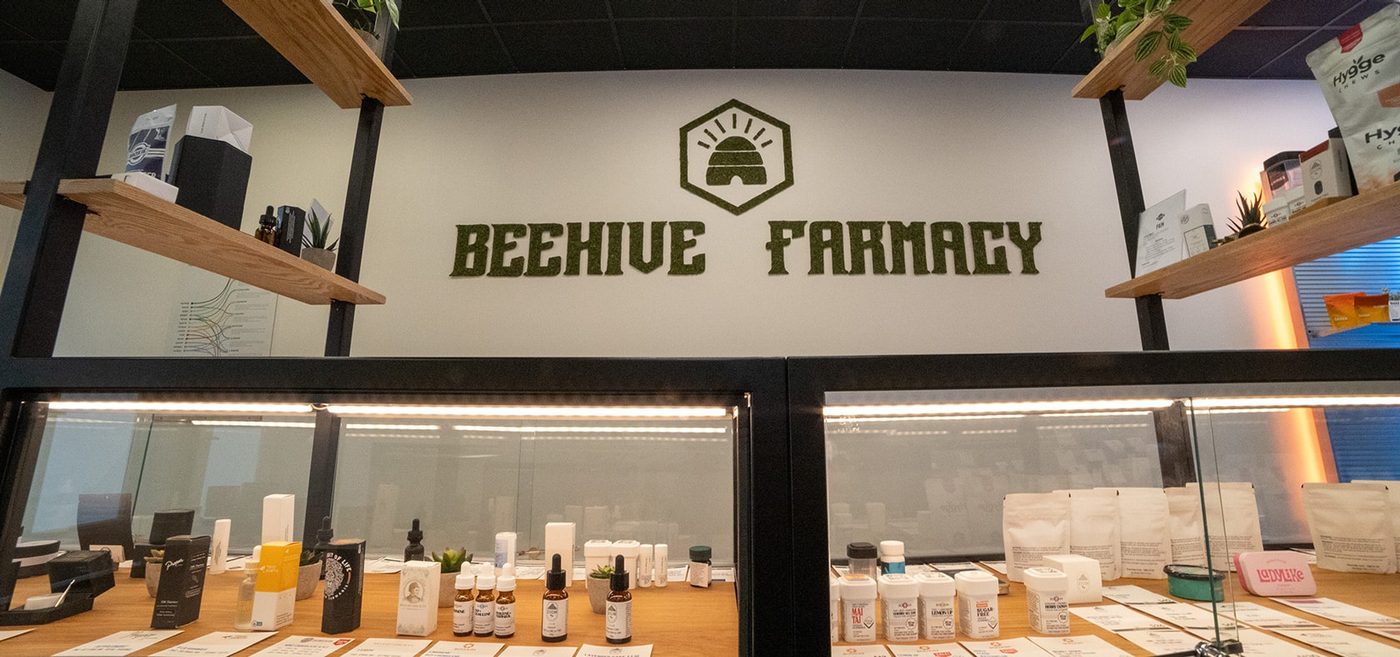
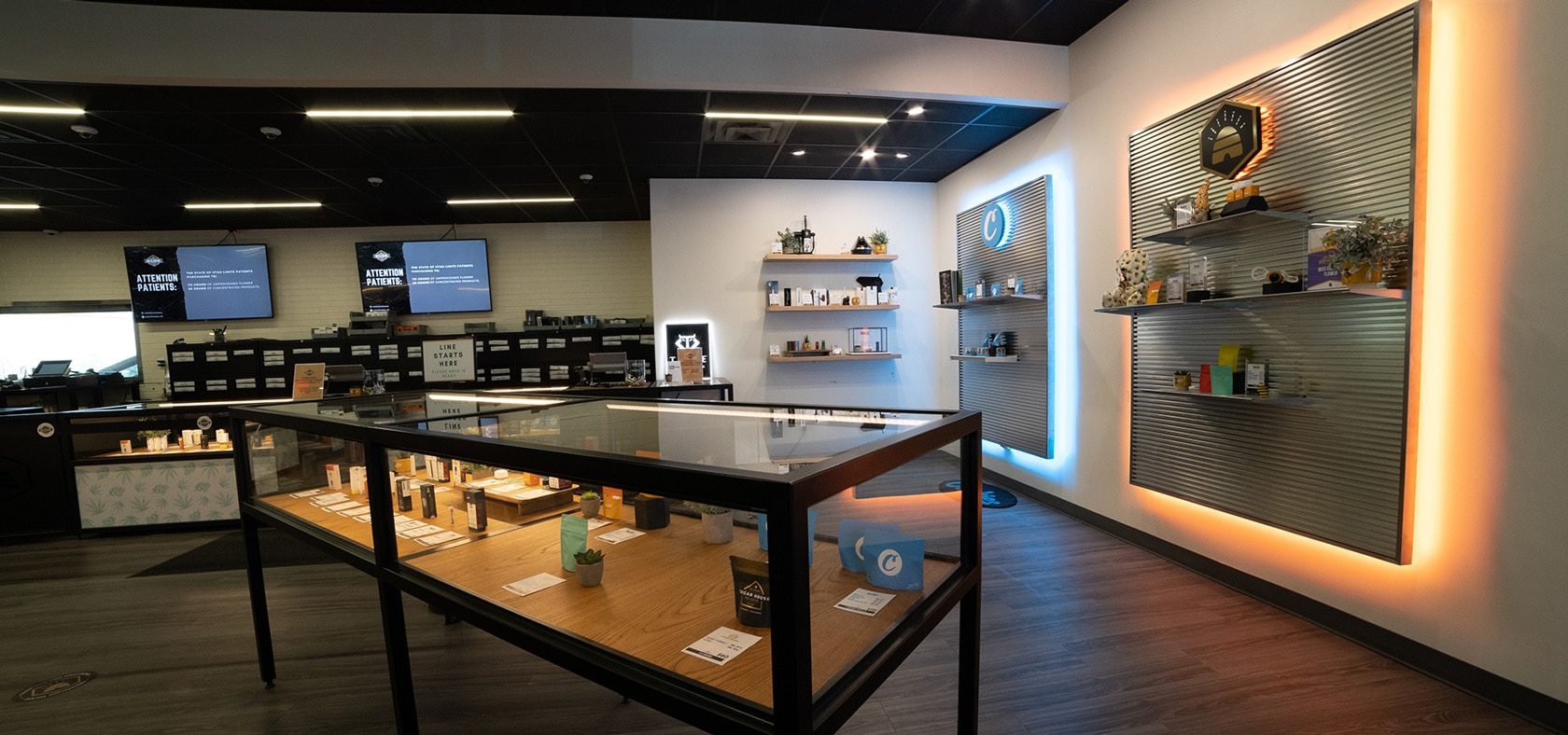
- Visit a pharmacy – Bring your card and ID to a medical cannabis pharmacy like Beehive Farmacy (1991 S 3600 W, Salt Lake City, UT 84104). Our pharmacists will help you choose the right product.
We're open Mon–Sat 10 AM–8 PM and Sun 11 AM–6 PM. Call us at 385-212-0088 if you have questions about the process. You can also get your med card through a QMP that we can recommend.


Choosing the Right Medical Card Doctor or Clinic Near You
When you search for "medical card near me," you'll find several clinics and doctors offering evaluations. Here's how to compare them so you pick the one that fits your needs.
| Factor | What to Look For | Why It Matters |
|---|---|---|
| Qualified Medical Provider (QMP) | Licensed by Utah to recommend cannabis | Only a QMP can register you with the state; others can't. |
| Experience with your condition | Familiar with your qualifying condition | A provider who knows your condition will give better guidance. |
| Telehealth availability | Offers video visits | Saves time and travel, especially if you live far from a clinic. |
| Cost and fees | Transparent pricing for evaluation and card | Avoids surprise costs; compare to find an affordable option. |
| Location and hours | Convenient to your home or work | You may need in-person visits for follow-ups. |
| Reputation | Positive reviews and professional conduct | Indicates reliability and quality of care. |
| Pharmacy relationship | Works with local pharmacies like Beehive Farmacy | Streamlines the process from card to purchase. |
Ask the clinic if they're a QMP and if they offer telehealth. Also, check if they have experience with conditions like chronic pain, anxiety, or PTSD—common qualifying conditions in Utah. If you're unsure, call us at Beehive Farmacy; we can point you to trusted providers.
How to Get a Medical Card: Steps, Requirements, and What to Expect
Getting a medical card in Utah involves a few clear steps. Here's the full process, from evaluation to your first visit to a pharmacy.
- Confirm your qualifying condition – Utah recognizes conditions like chronic pain, PTSD, cancer, and multiple sclerosis. Check the full list on the Utah Medical Cannabis Program website.
- Schedule a QMP evaluation – Book an appointment with a Qualified Medical Provider. You can do this in person or via telehealth. Bring your medical records if you have them.
- Get approved and registered – If the QMP recommends cannabis, they'll submit your application to the Utah Department of Health. You'll receive an email with your patient ID.
- Pay the card fee – The state charges a fee for the card, which varies—typically around $15–$25 for a year. Some patients may qualify for a reduced fee.
- Receive your digital card – Once payment is processed, you'll get your medical cannabis card electronically. It's valid for up to one year.
- Visit a pharmacy – Take your card to a medical cannabis pharmacy like Beehive Farmacy. Our pharmacists will review your order and help you select products.
If you're new to this, our team can explain the process in person or over the phone. We also have a page on how much to get a medical card in Utah that breaks down costs.
Medical Card Legalities, Privacy, and Risks: What You Should Know
Getting a medical card is legal in Utah, but it comes with responsibilities. Your information is confidential and stored in the state's patient registry, which is not public. However, law enforcement can verify your card through the Electronic Verification System (EVS) during a traffic stop or other encounter. That means they can see that you have a medical cannabis card, but they can't access your medical records.
There are some downsides to consider. Having a medical card may affect your employment if you work in a safety-sensitive job, and it could impact professional licensing. Also, federal law still classifies cannabis as illegal, though Utah's program operates under state law. The Substance Abuse and Mental Health Services Administration (SAMHSA) notes that cannabis can have risks, including dependency and cognitive effects, so it's important to use it as directed by your QMP and pharmacist. SAMHSA provides resources for substance use concerns.
In Utah, you're protected from arrest for possessing cannabis if you have a valid card and follow the rules. But you must carry your card and ID when you have cannabis with you. If you're stopped by police, be polite and inform them you have a medical cannabis card. For more on your rights, see our page on what rights you lose with a med card.
Medical cannabis card
A medical cannabis card is a state-issued credential that allows a patient with a qualifying condition to legally obtain and use cannabis for medical purposes. It's not a prescription in the traditional sense; rather, it's a recommendation from a qualified provider that you're registered with the state. In Utah, the card is digital and tied to the patient registry, which pharmacies use to verify your eligibility. The card must be renewed annually, and the process involves a new evaluation and a fee. For anyone asking "where can I get a medical card near me," the answer starts with finding a Qualified Medical Provider who can evaluate your condition and guide you through the state's program.
Directions to our Utah medical cannabis pharmacy from United Air Lines Flight 227
Start at United Air Lines Flight 227 and head to Beehive Farmacy - 2 Locations at 1991 S 3600 W, Salt Lake City, UT 84104.
Medical Card Cost: What You'll Pay and How to Save
The cost of getting a medical card in Utah includes the QMP evaluation fee and the state card fee. Both vary, so it's smart to compare options.
| Factor | Why It Matters | Typical Range |
|---|---|---|
| QMP evaluation fee | This is the main cost; it covers the doctor's time and expertise. | Varies by provider; often $100–$200 for initial visits, less for renewals. |
| State card fee | Paid to the Utah Department of Health for your card. | Usually around $15–$25 per year, but can be higher; some patients get discounts. |
| Telehealth vs. in-person | Telehealth may be cheaper or more convenient, but not all providers offer it. | Telehealth can save travel costs and time. |
| Renewal costs | You'll need to renew annually, which involves another evaluation and fee. | Renewal evaluations are often less expensive than initial ones. |
| Pharmacy product costs | Flower, edibles, and other products vary in price. | Varies by product and quantity; ask at the pharmacy. |
To save money, look for clinics that offer package deals or discounts for renewals. Some providers also offer sliding-scale fees based on income. For a detailed breakdown, see our Utah medical card cost guide for 2026.
For details on services and visits, see the main page about utah medical cannabis pharmacy.
Also asked as
- Where can I get a medical marijuana card in Utah?
- How do I get a med card in Salt Lake City?
- What's the process to get a medical card in Utah?
Frequently asked questions
Can a cop see if you have a medical card?
Yes, law enforcement can check the state's Electronic Verification System (EVS) to confirm you have a valid medical cannabis card. This is part of the system Utah uses to ensure patients are compliant. They can't see your medical records, just that you're registered.
What are the negatives of getting a med card?
Potential downsides include the cost of the evaluation and card, the fact that your name is in a state registry, and possible employment or professional licensing issues. Also, federal law still prohibits cannabis, so you may face restrictions in certain situations, like traveling across state lines.
Can a cop open your car door during a traffic stop?
Generally, police need a warrant or probable cause to search your vehicle. However, if they have reason to believe there's evidence of a crime, they may do so. It's best to be polite and know your rights, but don't interfere with an officer's lawful actions.
What does 4 fingers up mean for cops?
In some contexts, holding up four fingers is a signal used by civilians to indicate a police presence, often in protest or safety situations. It's not a legal signal, and officers may interpret it differently. It's not related to medical cannabis.
What to say when a cop asks where you're coming from?
You have the right to remain silent, but it's usually best to answer basic questions politely. You can say you were at a store or a friend's house, but you don't have to provide details. If you have a medical card, you may need to disclose it if you have cannabis in the car.